Summer solstice often elicits strange stories about Stonehenge. Now we learn that the builders of the ancient site may have chosen their building material for the simple reason that they were musical, with they meaning both the rocks and the builders. In a recently published article in Time and Mind: The Journal of Archaeology, Consciousness, and Culture, researchers Paul Devereux and Jon Wozencroft propose that the bluestones used in Stonehenge were transported more than 125 miles for their acoustical quality. The bluestones, a collective term for dolerites, rhyolites, and tuffs, come from the southwest corner of Wales. The area is known as Mynydd Presell and is famous for the rocky outcrops known as carns.
The study grew out of Devereux and Wozencroft’s work looking at how our senses might have influenced our relationship to landscape. What they found is a visual connection between the natural outcrops and numerous man-made structures, particularly dolmens. When they turned to sound, they discovered that the Welsh bluestone was a “noteworthy soundscape” filled with many ringing rocks. They propose that it is “highly improbable” that the Neolithic stone masons were “unaware of the echoes and the sonic characteristics of many of the rocks around them.” Unfortunately, when they tried to test the bluestones used at Stonehenge they met with little success, primarily because the stones were set in the ground and concrete, which tended to dampen the sounds. Despite this situation, they are hopeful that their work will encourage others to further the study of lithophones, or rocks used deliberately for their sound qualities. For more information, you can read an article in the New York Times.
I was very excited to read this study as I have long been intrigued by the sounds of stone. I first encountered this phenomenon 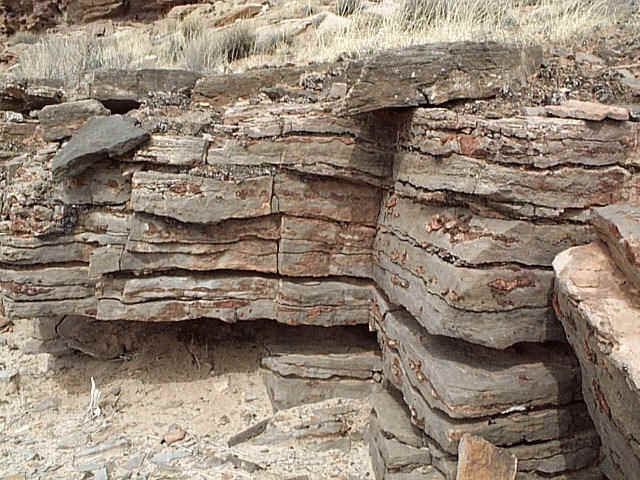 in southern Utah with the Navajo Sandstone. Walking through the petrified dune field of the Navajo, I periodically came across gray rocks that rang when I stepped on or kicked one. The white or red layers of the Navajo lacked this quality. I eventually found out that the gray layers were ancient playa deposits, preserved as limestone lenses within the sandstone. Like the bluestone, the limestone was very dense. And since the rock often weathers out into boulders, they were in a perfect space to produce sound with plenty of air around them for resonance.
Another time I noticed ringing rocks was at the Getty Museum in Los Angeles. The complex is covered in thousands of three-inch thick panels of travertine, which comes from quarries in Tivoli, about 20 miles from Rome. Best known for its use in the Colosseum, the 80,000-year-old rock is a type of limestone that forms in hot springs. I discovered the sound qualities of the Getty travertine during a visit while I was working on my book Stories in Stone. About half way through my tour, I rapped one of the panels and was startled by its tone. The travertine is very dense but these panels also ring because of how they are mounted. Each panel is bolted about three-eighths of an inch away from each surrounding panel and from its concrete backing. The builders did this so the panels could move when 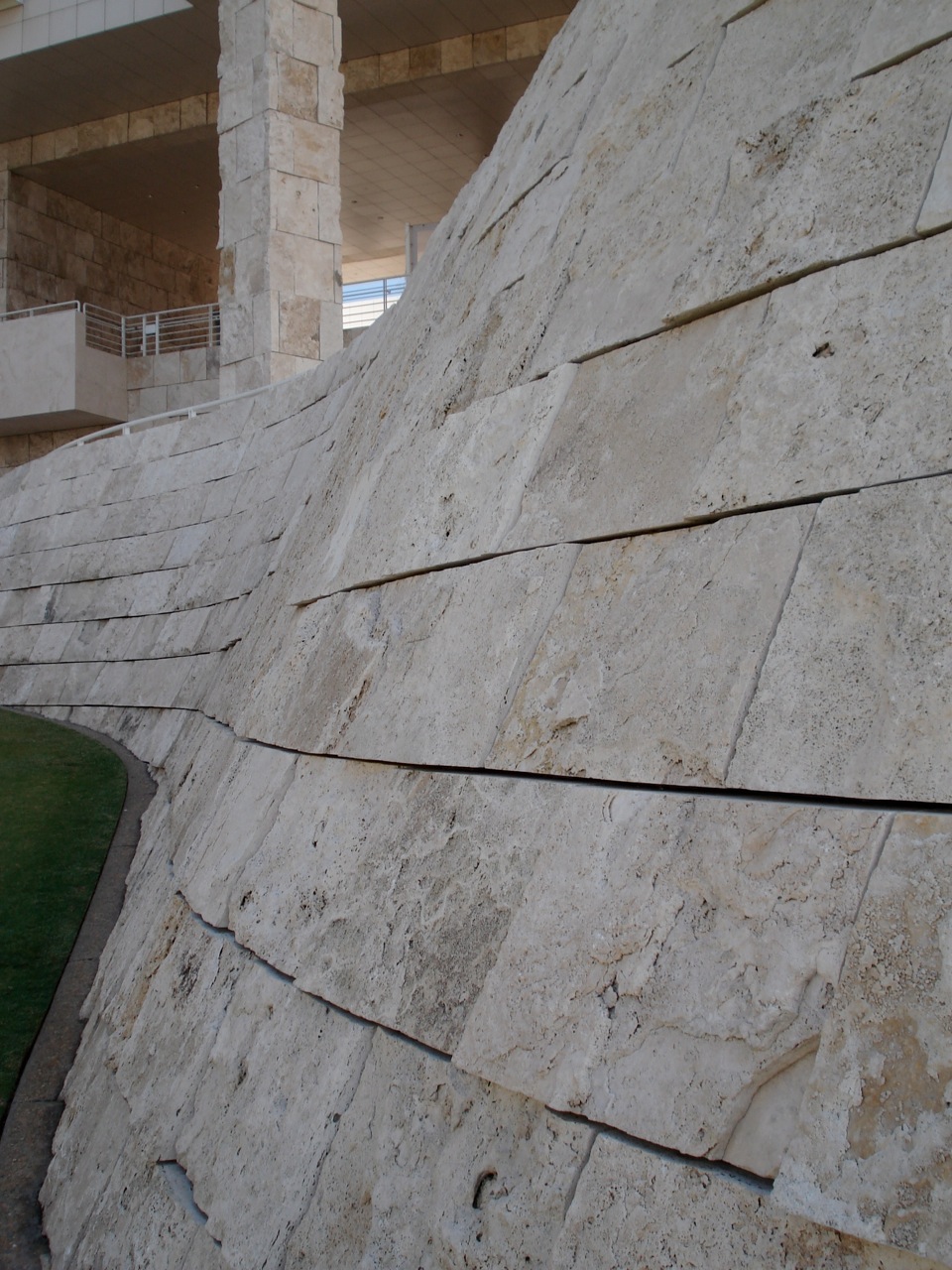 the next earthquake hits. As with the Navajo, the air space allows the stone to resonate and because every panel at the Getty is different, each one produces a different sound. Pretty cool, I think.
Whether the ancient builders of Stonehenge actually chose the bluestones for their musical qualities is not terribly important or life changing. What is important though is that the researchers took the time to observe and to consider the bigger picture of our relationship to the world around us. When we do this, we may not hear songs, but I suspect we will have richer lives.